Building Automotive "Nerves" at Luojia: Young Engineers in Wuhan's Auto Valley Develop Intelligently Adaptive Seats
On June 23, Huang Jijun, General Manager of Innosensing (Wuhan Shengshi Qichuang Technology Co., Ltd.), rushed back to Wuhan right after a two-week product commissioning project at an automaker in Chongqing. In a couple of days, he would fly to Shanghai for negotiations on new projects. “This is our daily routine,” he remarked with a smile. Founded merely four years ago, this Wuhan-based enterprise is emerging rapidly in the new energy vehicle sensor sector.
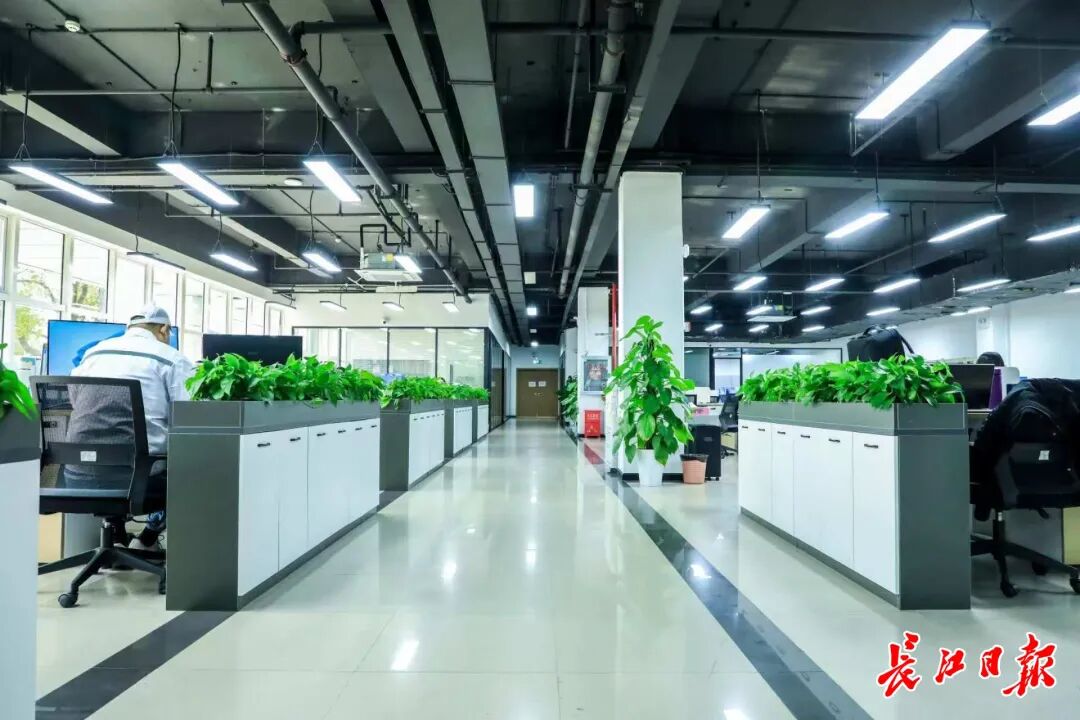
▲ Innosensing office. Sensors function as the “nervous system” of automobiles. A new energy vehicle is typically equipped with dozens to over a hundred sensors. When Innosensing was first established, it rented a 200-square-meter office at Donghe Center. Back then, the new energy vehicle sensor market was dominated by international giants, and domestic chips were largely excluded from automotive supply chains. A turning point arrived in 2021. A leading automaker encountered supply disruption from its overseas supplier and fell into trouble. Tasked with resolving the crisis, Innosensing obtained customer approval and accomplished product substitution within just over two months using domestic chips. The batch of current sensors was installed in 75,000 new energy vehicles, catapulting the company to fame overnight.
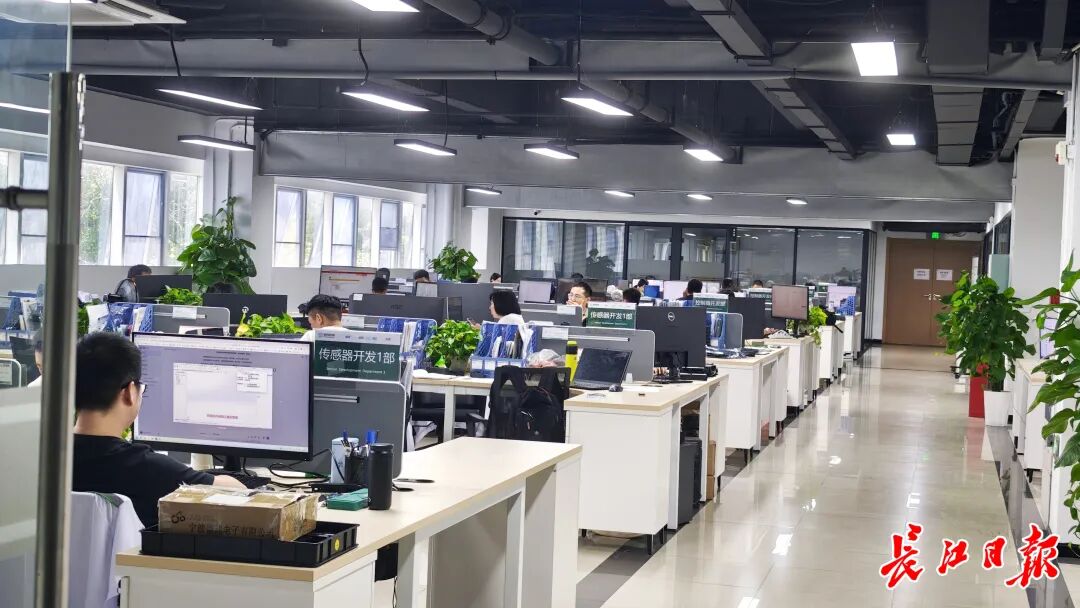
▲ Innosensing office. At Innosensing’s Wuhan headquarters in Wuhan Economic & Technological Development Zone, the names of its six meeting rooms reflect the team’s roots: Luojia Hill, Yujiashan Hill, Mafangshan Hill (representing Wuhan University, Huazhong University of Science and Technology and Wuhan University of Technology), East Lake, Taizi Lake and Sanjiao Lake. A young engineer commented: “We named them ourselves. They honor our alma maters and remind us to forge ahead through challenges.”
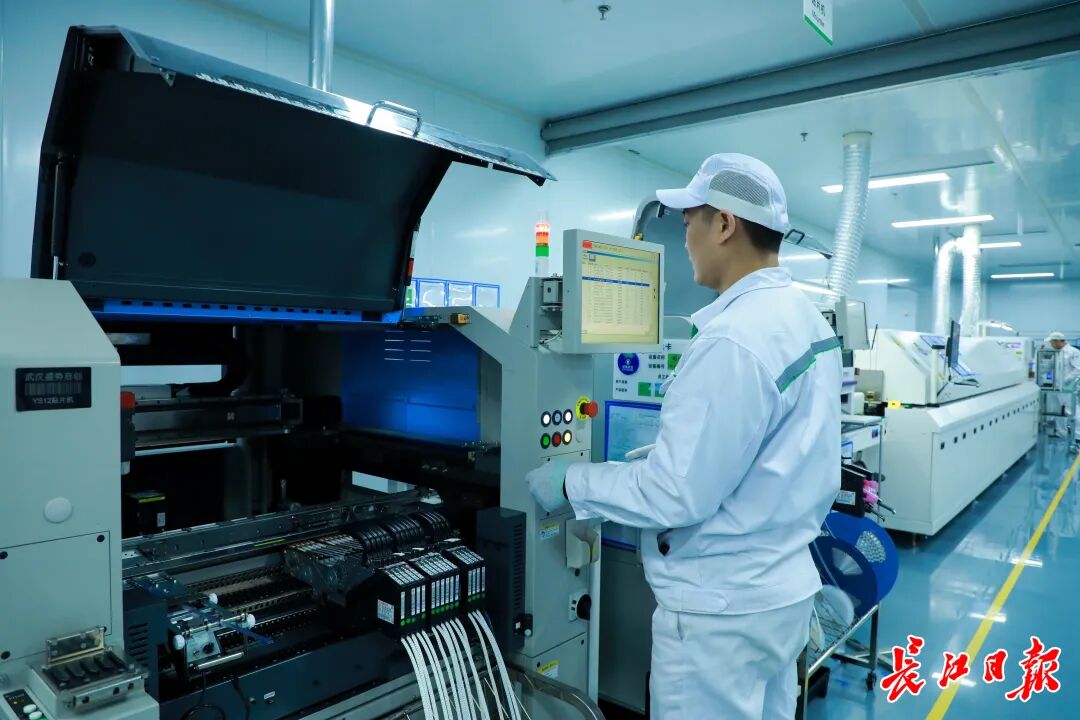
▲ Innosensing technicians debugging products. The team averages just over 30 years of age yet boasts impressive capabilities that amaze industry peers. “In the early startup phase, we considered it a victory if one out of ten recruits stayed on board.” To attract talents, the company launched an employee shareholding scheme to strengthen staff engagement and innovation. Last year, many team members voluntarily stayed overnight in the laboratory to meet tight project deadlines. Adopting a “corps-style collaboration model”, the team completes product iteration within 3 to 6 months, faster than the industry average. R&D staff account for more than 40% of the workforce. Over 60 invention patents displayed on the patent wall bear witness to the team’s rigorous pursuit of excellence. The technical department’s annual KPIs include securing 10 invention patents every year.
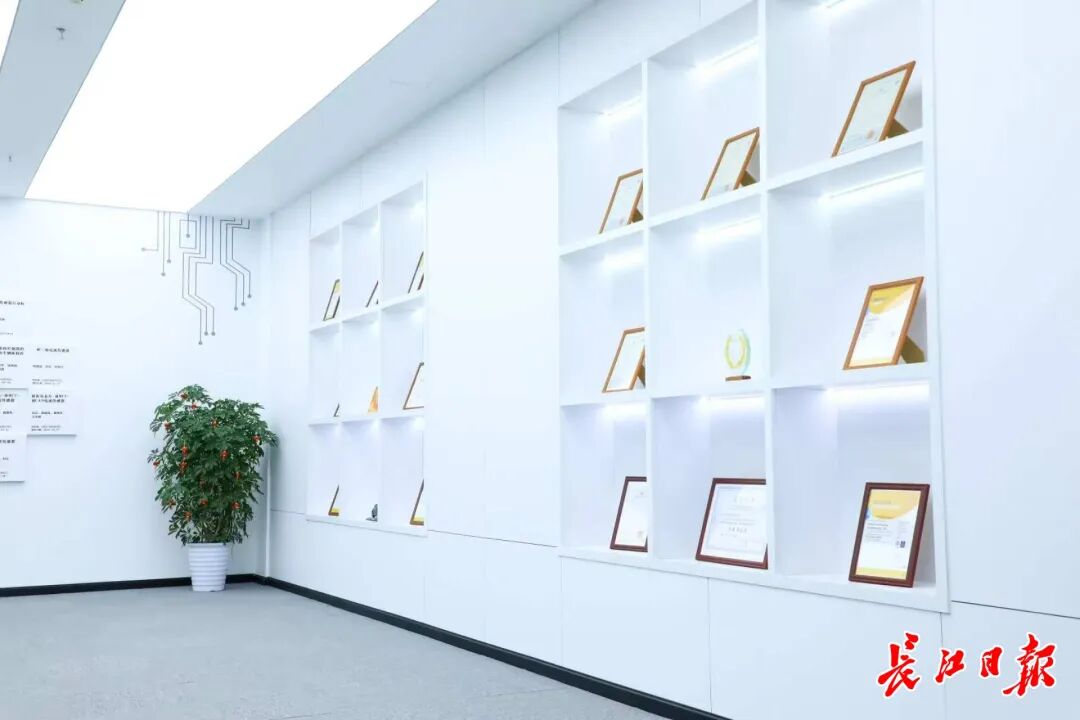
▲ Certificates of honor and invention patents displayed on the wall. Today, the company’s products are mass-installed on new energy vehicles from leading brands including Geely, XPeng, Voyah and Seres, covering more than 80% of domestic independent automakers. Its newly developed seat controller can automatically adjust support via pressure sensing, keeping passengers stable when vehicles take corners. Innosensing has achieved remarkable growth, with annual sales surging from RMB 1 million in 2021 to over RMB 100 million last year. The firm plans to mass-produce 100,000 eddy current sensors this year, targeting an annual output of 5 million units in the future, while expanding its business scope into robotics and flying vehicles.